[TOC]
Korean Breakfast is more than just a way to fill the stomach in the morning. It is deeply rooted in culture, nutrition, and lifestyle. While many countries rely on light meals such as bread or cereal for breakfast, Koreans have traditionally enjoyed a more complete and filling table. Today, this tradition coexists with modern convenience, reflecting how Korea balances heritage and contemporary living. In this post, we will explore the features of a Korean breakfast, how it has evolved, and which options are both simple and healthy for daily life.
The Traditional Roots of Korean Breakfast
For centuries, breakfast in Korea was considered essential. In agricultural communities, families needed energy to endure long hours of farming, and a strong morning meal was the foundation of the day. Unlike the Western concept of a “light breakfast,” the Korean breakfast was often as complete as lunch or dinner.
1. Rice and Soup
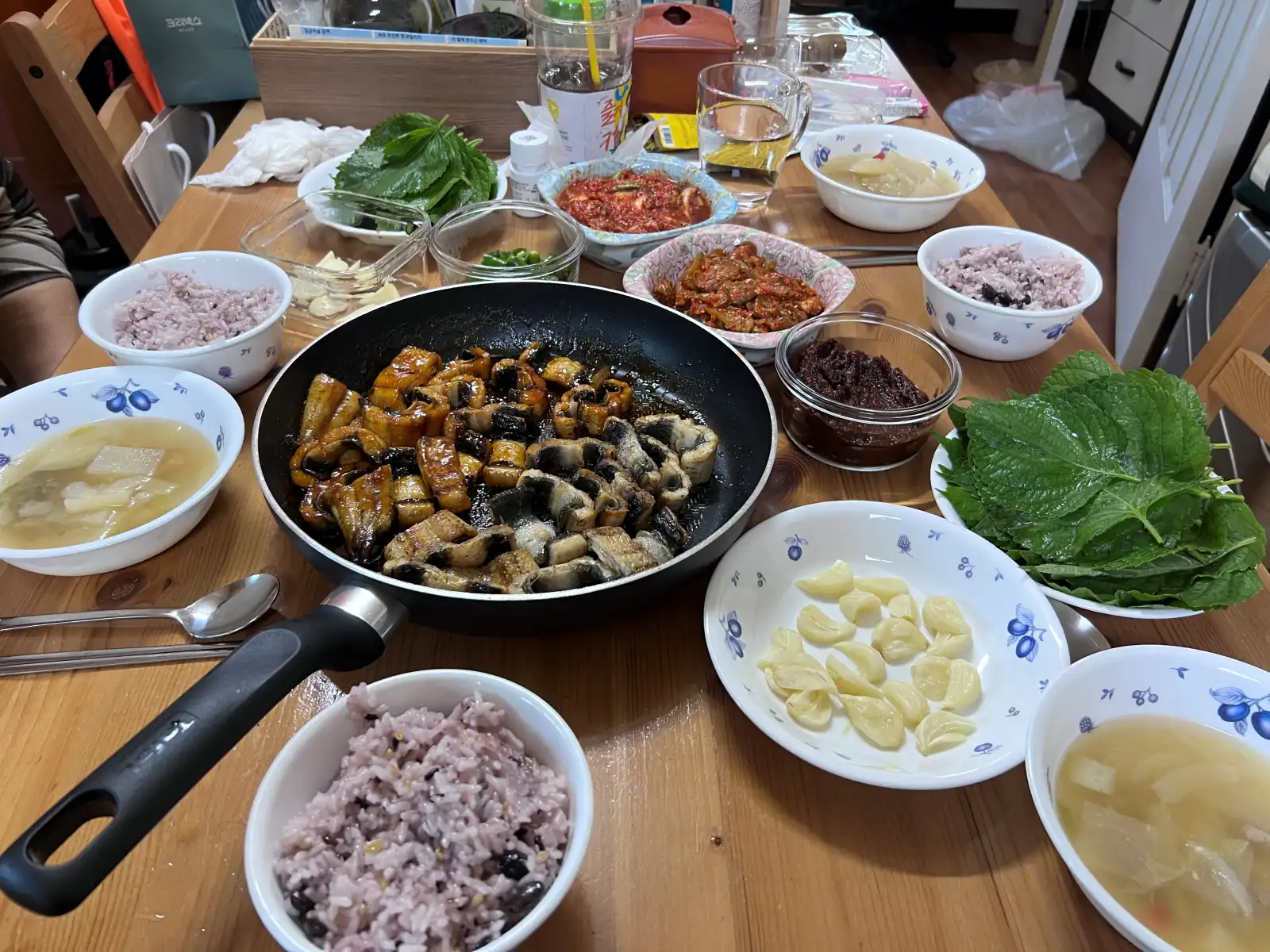
The heart of a Korean Breakfast is rice paired with soup. Steamed white rice, multigrain rice, or barley rice would typically be served with soybean paste soup (doenjang-guk), seaweed soup (miyeok-guk), or beef-radish soup (sogogi-muguk). This combination is warming and satisfying, giving energy for the day ahead.
2. Variety of Side Dishes (Banchan)
No Korean table is complete without side dishes. Kimchi, seasoned spinach, stir-fried anchovies, grilled fish, or rolled omelets often make an appearance. Even a simple Korean breakfast may include at least three side dishes, emphasizing balance and diversity in flavors and nutrients.
3. Fermented Foods
Koreans value fermentation, and kimchi is the star of almost every breakfast. Salted seafood, pickled radish, and other fermented foods aid digestion, provide probiotics, and ensure meals are never bland.
How Korean Breakfast Has Changed
While tradition remains strong, modern lifestyles have reshaped breakfast habits in Korea. Busy students and office workers rarely have time to sit down for a full meal. Instead, they choose quick, convenient options that fit into their schedule.
1. Bread and Coffee
One of the most common modern Korean Breakfast options is toast with butter, jam, or egg, accompanied by a cup of coffee. This reflects the growing Western influence and the need for speed in urban life.
2. Convenience Store Meals
Korea’s famous convenience stores are lifesavers for busy mornings. Triangle kimbap (samgak gimbap), sandwiches, or instant cup rice have become staple breakfast items. Affordable, portable, and tasty, they are popular among both students and professionals.
3. Healthy Alternatives
Health-conscious Koreans are turning toward Greek yogurt, fresh fruit, nuts, and protein shakes. These options align with global wellness trends while still respecting the Korean belief that breakfast is essential for health and productivity.
Everyday Korean Breakfast at Home
In many Korean households today, breakfast is a hybrid between tradition and simplicity. A typical morning table might include multigrain rice, kimchi, a light soup, and one simple main dish such as fried eggs, grilled tofu, or mackerel. This balance reflects both the old and the new, giving families nourishment without too much preparation.
Recommended Korean Breakfast Menus
- Traditional style: Steamed rice + soybean paste soup + kimchi + rolled omelet
- Quick style: Toast + boiled egg + seasonal fruit
- Healthy style: Greek yogurt + nuts + blueberries
- Convenience style: Triangle kimbap + soy milk
- Everyday home style: Multigrain rice + light soup + kimchi + fried egg
Why Korean Breakfast Matters
A Korean Breakfast is not only about nutrition but also about mindset. Many Koreans believe that skipping breakfast can weaken concentration and productivity. Culturally, it represents care, as parents often prepare warm meals for their children before school. Even in modern households, sharing breakfast can be a meaningful moment that connects family members.
FAQ: Korean Breakfast
Q1. Why do Koreans eat a heavier breakfast compared to other countries?
A. Historically, Korea was an agricultural society, so a hearty meal in the morning was necessary to sustain long working hours in the fields.
Q2. Do all Korean breakfasts include soup?
A. Traditionally, yes. However, many modern families may simplify the meal to just rice and kimchi, or switch to bread and coffee depending on time.
Q3. Is Western-style breakfast common in Korea?
A. Absolutely. Younger generations often prefer cereal, toast, or coffee in the morning, especially when they are busy.
Q4. What is the healthiest Korean breakfast option?
A. A balanced choice would be multigrain rice, light soup, kimchi, and a protein source like tofu or eggs. For a modern twist, Greek yogurt with fruit is also popular.
Conclusion and Summary
Korean Breakfast is a fascinating blend of history, culture, and adaptation. From traditional rice and soup to modern sandwiches and coffee, it reflects how Koreans approach health and daily life. Whether you enjoy a hearty meal or a light and quick option, breakfast remains central in Korea’s food culture. By incorporating both traditional and modern ideas, anyone can enjoy a balanced start to the day with a Korean touch.
👉 Explore more about Korean cuisine in the Taste of Korea category.
👉 For more insights into Korean food culture, visit the official Visit Korea website.