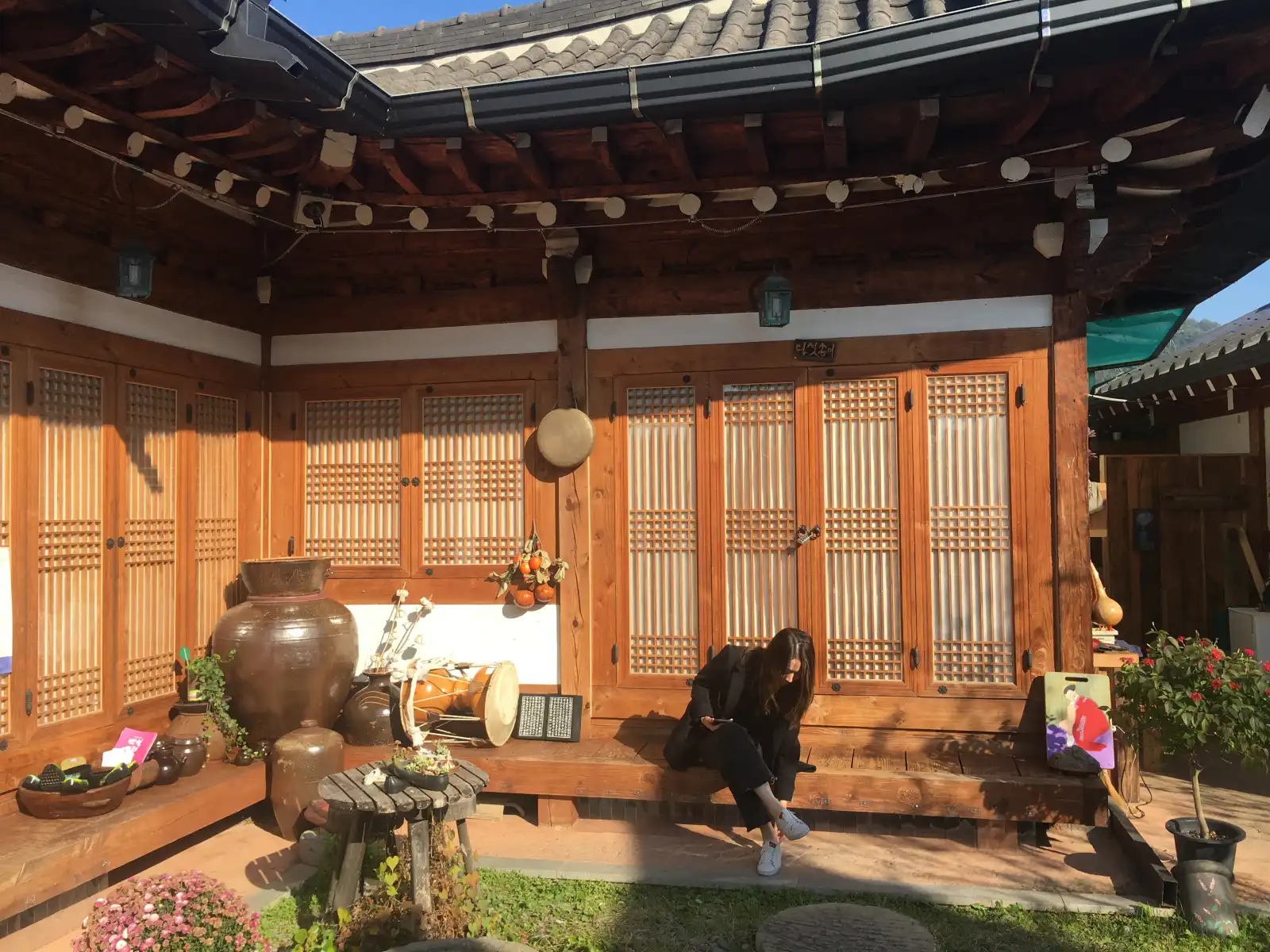
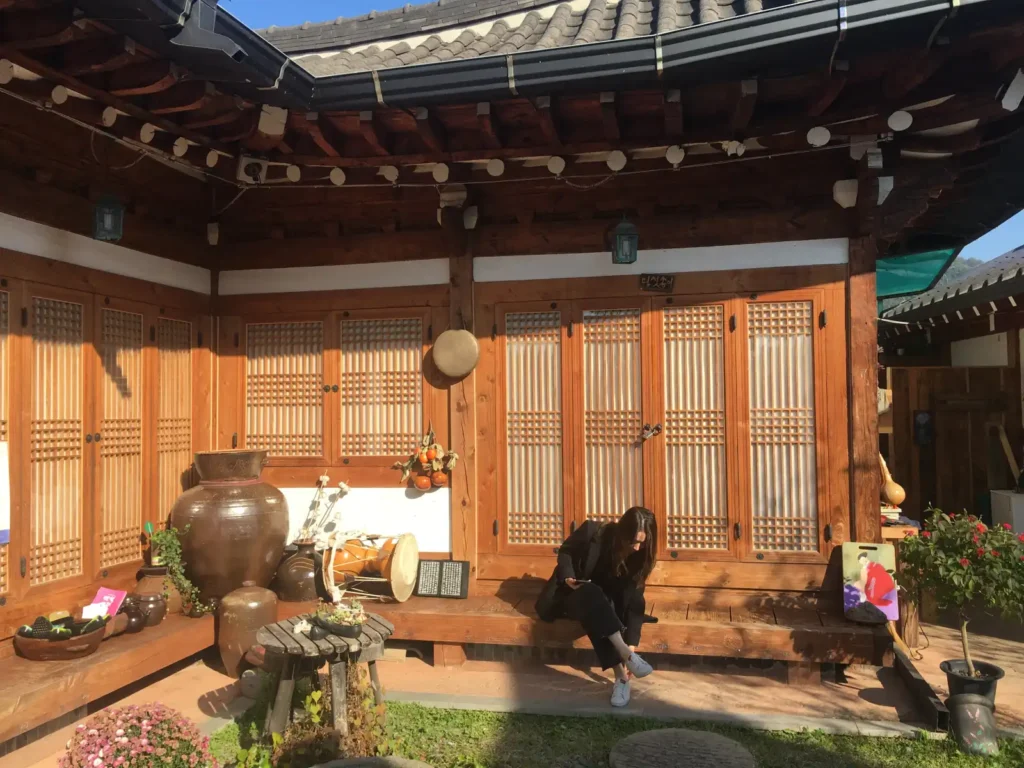
Jeonju Travel is one of the most unforgettable cultural journeys you can make in Korea. Known as the home of Hanok Village, Bibimbap, Makgeolli, and vibrant street markets, Jeonju combines heritage with modern trends. In this ultimate guide, you’ll learn how to reach Jeonju from Incheon Airport, discover must-try foods, explore historic landmarks, and even experience K-pop vibes woven into traditional settings.
How to Begin Your Jeonju Travel from Incheon Airport
Getting to Jeonju is straightforward, and this convenience makes Jeonju Travel a top choice for international visitors. From Incheon Airport, you have three reliable options: KTX, express bus, or a rental car.
KTX (High-Speed Train)
For a fast and comfortable start to your Jeonju trip, take the Airport Railroad (AREX) to Yongsan Station. From there, board the KTX to Jeonju, which takes about 1 hour 40 minutes. In total, the journey takes roughly 3 hours, making it the quickest way to begin exploring Jeonju.
Express Bus
If you want to enjoy your Jeonju Travel on a budget, the express bus is your best choice. Direct buses from Incheon Airport reach Jeonju in 3.5 to 4 hours, and you’ll be dropped off near the city center.
Rental Car
Renting a car at Incheon Airport gives you flexibility. The drive to Jeonju via Seohaean Expressway takes about 3.5 hours. This option is ideal if you want to explore smaller towns along the way or make your Jeonju Travel part of a wider Korea road trip.
Jeonju Hanok Village: The Highlight of Jeonju Travel
The core of Jeonju Travel is Hanok Village, with over 700 traditional Korean houses. Walking through narrow alleys lined with wooden doors and tiled roofs feels like stepping back in time. Yet, modern cafes, art galleries, and photo zones create a blend of old and new — a reason Jeonju is called the cultural capital of Korea.
Hanbok Experience with Modern Styling
Renting a hanbok is a must during any visit to Jeonju. Many travelers choose bright modernized hanbok to create photos that look straight out of a K-drama or K-pop music video. This unique styling makes your Jeonju Travel experience both traditional and trendy.
Jeonju Travel Food Guide
Food is one of the main reasons people love Jeonju Travel. From Bibimbap to Makgeolli, Jeonju offers a taste of authentic Korea. Below are the must-try dishes you shouldn’t miss.
Bibimbap
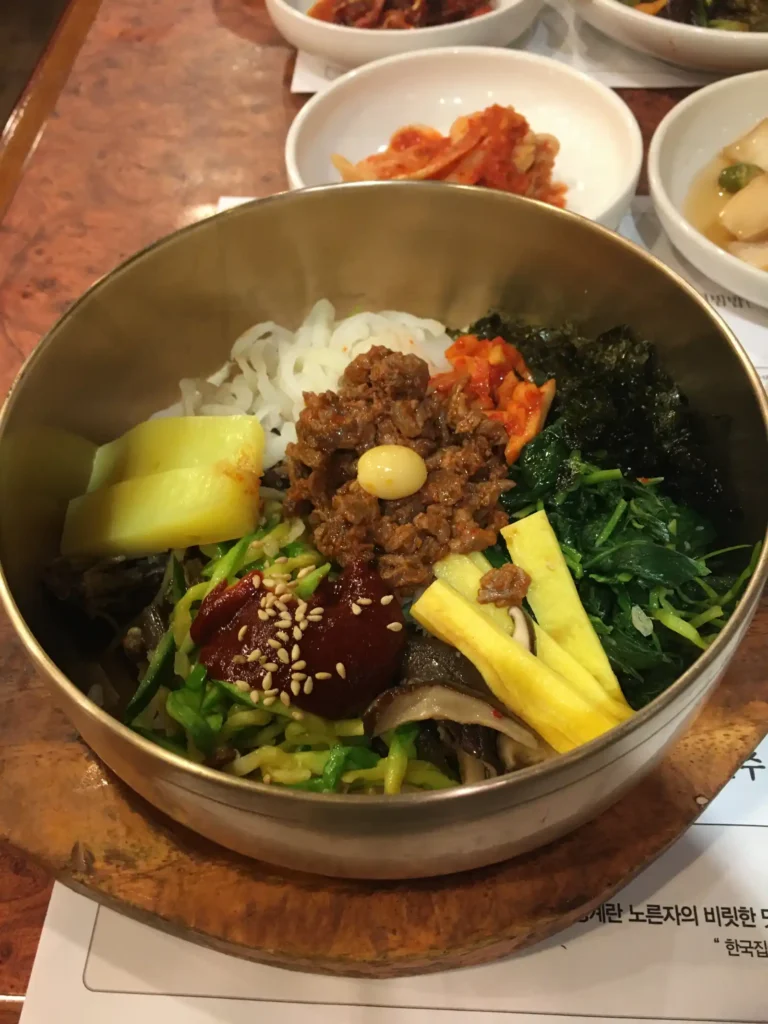
Jeonju Bibimbap is the city’s signature dish and a UNESCO-recognized cultural treasure. With colorful vegetables, rice, beef, egg, and spicy gochujang, it represents harmony on a plate. Visiting Jeonju without trying Bibimbap means missing the heart of the city’s culture.
Kongnamul Gukbap (Bean Sprout Soup with Rice)
A comforting soup made with crunchy bean sprouts, rice, and clear broth, Kongnamul Gukbap is often enjoyed as breakfast or a hangover cure. This simple yet nourishing dish reflects the homestyle warmth of Jeonju.
Makgeolli with Side Dishes
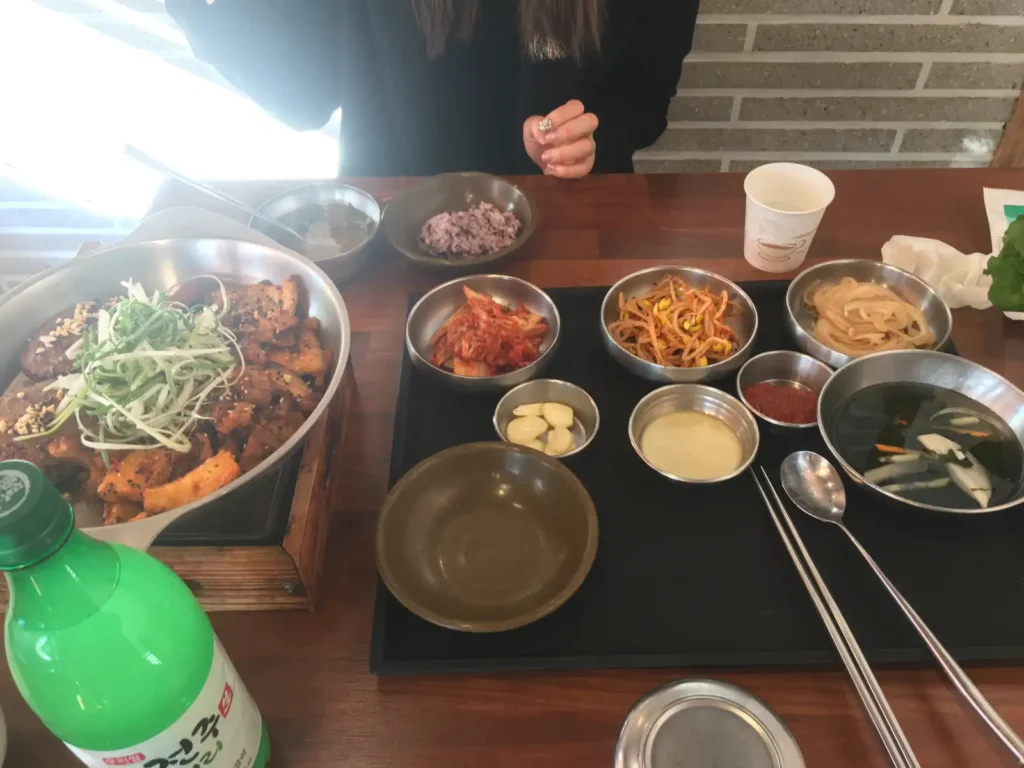
Jeonju’s Makgeolli is famous for being served with generous plates of side dishes. Travelers often spend evenings in Makgeolli alley, enjoying rice wine and local specialties. It’s a social highlight of Jeonju Travel and a must for anyone seeking authentic nightlife.
Galbijjim (Braised Short Ribs)
Jeonju-style Galbijjim features tender beef short ribs slow-cooked in soy sauce, garlic, and vegetables. It’s a hearty dish often enjoyed with Makgeolli, making it a perfect combination for food lovers.
Nambu Market Street Food
The Nambu Market night scene offers everything from bulgogi tteokbokki to cheesy hotteok. Street food lovers will find Jeonju’s markets a paradise and an essential part of their Jeonju trip.
Landmarks to See During Jeonju Travel
Beyond food, Jeonju Travel includes exploring beautiful landmarks. Pungnammun Gate, the last remaining fortress gate, lights up magnificently at night. Jeondong Cathedral, with its Western-style architecture, offers another stunning photo spot.
Suggested Itinerary for Jeonju Travel
- Day 1: Arrival from Incheon Airport → Explore Hanok Village → Hanbok rental & night walk.
- Day 2: Try Bibimbap → Visit Pungnammun Gate & Jeondong Cathedral → Street food dinner at Nambu Market.
- Day 3: Morning Kongnamul Gukbap → Makgeolli alley evening → Return to Incheon Airport.
Travel Tips for an Amazing Jeonju Trip
- Best seasons: spring (April–May) and autumn (September–October).
- Stay in a traditional Hanok guesthouse for a deeper cultural experience.
- Weekdays are less crowded than weekends, making your Jeonju Travel more relaxed.
FAQ: Jeonju Travel Questions
Q1. Can international tourists enjoy Jeonju Travel easily?
Yes. Most restaurants and attractions offer English signs and some provide multilingual guides. It’s easy to enjoy Jeonju Travel even on your first trip to Korea.
Q2. How many days are enough for Jeonju Travel?
A 2-night, 3-day itinerary is ideal to enjoy food, culture, and landmarks without rushing.
Q3. Why is Jeonju Travel special for K-pop fans?
Because Jeonju combines authentic tradition with modern pop culture vibes. Many visitors feel like they are stepping into a K-drama or K-pop music video while walking through Hanok Village.
Conclusion: Why Jeonju Travel Should Be on Your Bucket List
Jeonju Travel offers everything: history, food, music, and culture. From Hanok Village to Bibimbap, from Makgeolli alleys to Pungnammun Gate, Jeonju provides unforgettable experiences. For more Korean food insights, visit my Taste of Korea section. For official information, check the Korea Tourism Organization. Plan your trip today and make your Jeonju Travel in 2025 truly amazing.